
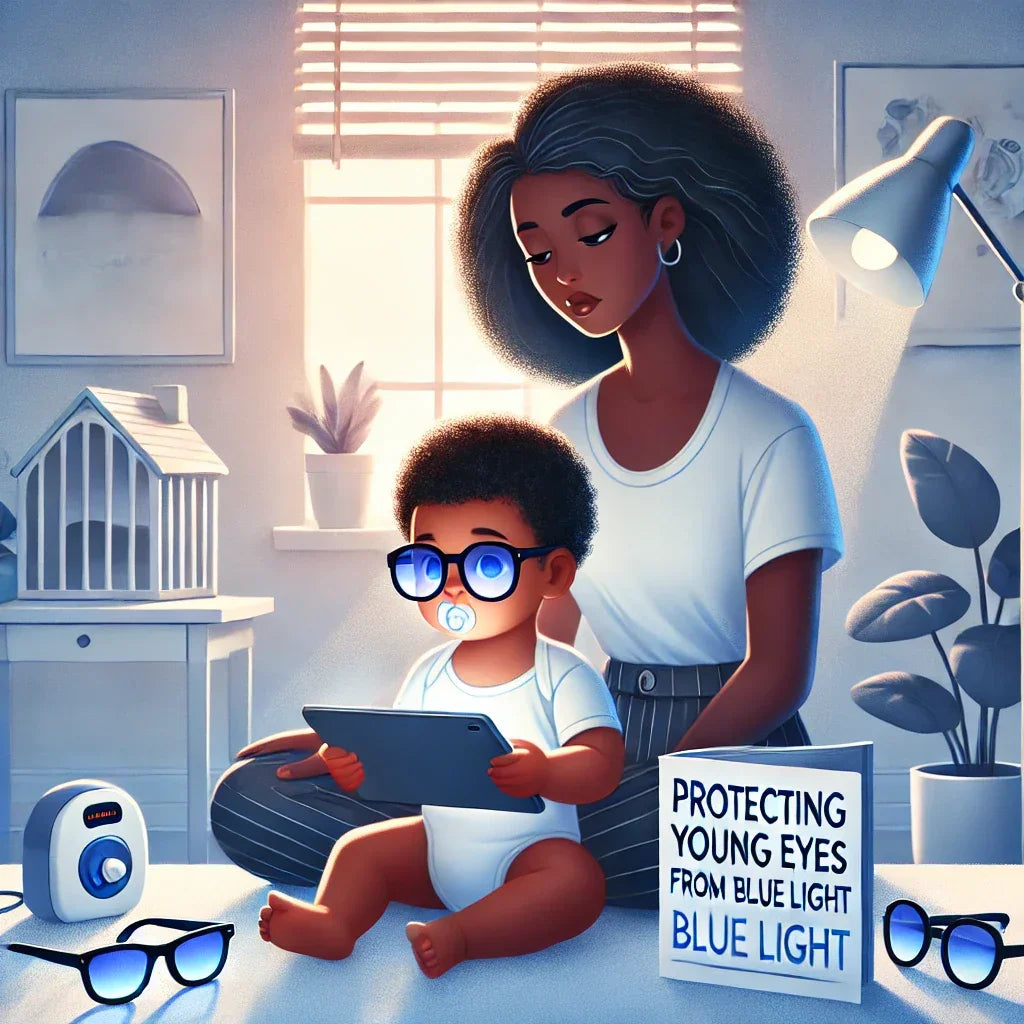
In today’s digital world, screens are an integral part of everyday life, whether it’s for schoolwork, entertainment, or communication. However, with children spending increasing amounts of time in front of screens, concerns about the effects of blue light exposure on young eyes have risen. Blue light is emitted by devices such as smartphones, tablets, laptops, and televisions, as well as by energy-efficient LED lighting. While blue light is not inherently bad, overexposure—especially at a young age—can pose various risks to eye health. This guide explores the potential dangers of overexposure to blue light for young eyes and offers tips for minimizing its impact.
1. What is Blue Light?
Understanding Blue Light
Blue light is part of the visible light spectrum, which is emitted by both natural and artificial sources. Sunlight contains blue light, but digital screens, LED lights, and fluorescent lights are significant artificial sources. Blue light has a short wavelength, meaning it carries higher energy compared to other colors in the visible light spectrum.
Why Is It a Concern?
Although blue light helps regulate sleep cycles and boost alertness during the day, prolonged exposure—especially to artificial blue light—can have negative effects on eye health and sleep patterns, particularly for young children.
2. Potential Impact on Developing Eyes
Increased Risk of Eye Strain
Young eyes are more vulnerable to blue light exposure than adult eyes. Since their eyes are still developing, they can absorb more blue light, which may lead to digital eye strain. Digital eye strain, or computer vision syndrome, is characterized by discomfort caused by staring at screens for long periods. Symptoms may include blurry vision, headaches, and dry eyes.
What to Do
- Encourage regular breaks from screen time to reduce strain on your child’s eyes.
- Follow the "20-20-20 rule": every 20 minutes of screen time, your child should look at something 20 feet away for 20 seconds to rest their eyes.
3. Sleep Disruptions and Melatonin Production
Blue Light and Sleep Patterns
One of the most significant concerns with blue light exposure is its effect on melatonin production. Melatonin is a hormone that regulates sleep-wake cycles. Overexposure to blue light, especially in the evening, can suppress melatonin production, making it harder for children to fall asleep and disrupting their sleep patterns.
What to Do
- Limit screen time at least an hour before bedtime to help maintain healthy sleep cycles.
- Consider using blue light-blocking filters on devices or enabling the “night mode” setting on screens, which reduces blue light emission in the evening.
4. Long-Term Effects on Eye Health
Potential for Retinal Damage
While research is still ongoing, some studies suggest that prolonged exposure to blue light over time could contribute to retinal damage and increase the risk of age-related macular degeneration (AMD) later in life. Although there is no definitive evidence linking blue light to AMD at a young age, it’s important to be cautious, as children’s eyes are more sensitive to light exposure than adults.
What to Do
- Limit prolonged exposure to screens, especially for young children who may be spending more time on devices.
- Ensure your child’s screen time is balanced with outdoor activities, as natural light is beneficial for eye health and reduces the need for excessive screen time.
5. Digital Eye Fatigue and Discomfort
Symptoms of Overexposure
Excessive blue light exposure can contribute to digital eye fatigue. This condition occurs when the eyes become tired and strained due to prolonged screen use. Children may exhibit signs such as eye redness, itching, difficulty focusing, or headaches. These symptoms are often exacerbated by the fact that children tend to blink less frequently when using screens, further contributing to dryness and discomfort.
What to Do
- Remind your child to blink regularly while using screens to maintain moisture on the eyes.
- Ensure they have proper lighting when using screens, as harsh lighting can worsen eye strain.
6. The Role of Protective Eyewear
Blue Light Blocking Glasses
One solution to mitigate the impact of blue light is through the use of blue light-blocking glasses. These glasses are designed to filter out a portion of the blue light emitted by digital screens. While the research on their effectiveness is still developing, many parents have reported positive results in reducing digital eye strain and improving sleep quality for their children.
What to Do
- Consider investing in blue light-blocking glasses for your child, especially if they spend extended periods in front of screens.
- Be sure to choose glasses that are specifically designed for blue light filtering, as they should block harmful wavelengths without distorting colors or vision.
7. Importance of Outdoor Time
The Benefits of Natural Light
While limiting screen time is crucial, spending time outdoors can help balance the amount of blue light exposure children receive. Natural light is essential for overall eye health, and studies suggest that outdoor activities can reduce the risk of developing nearsightedness (myopia) in children.
What to Do
- Encourage your child to spend more time outside in natural daylight.
- Aim for at least 1-2 hours of outdoor play each day to support both eye health and overall well-being.
8. Setting Screen Time Limits
Limiting Screen Time for Healthy Development
One of the most effective ways to protect your child from the harmful effects of overexposure to blue light is by setting appropriate screen time limits. The American Academy of Pediatrics recommends no more than one hour of screen time per day for children aged 2 to 5 years, and a maximum of two hours for children aged 6 years and older.
What to Do
- Create a screen time schedule that aligns with your child’s age and developmental needs.
- Encourage activities that don’t involve screens, such as reading, playing outside, or engaging in arts and crafts, to foster a healthy balance.
9. Teach Good Habits Early On
Instilling Healthy Digital Habits
From a young age, it’s important to teach your child the value of taking care of their eyes while using screens. Building good digital habits now can help ensure long-term eye health.
What to Do
- Model healthy screen habits by limiting your own screen time and taking breaks when needed.
- Educate your child on the importance of looking away from screens regularly, sitting at a proper distance from the screen, and adjusting the brightness of their devices to avoid eye strain.
10. Be Aware of Eye Symptoms
Watch for Warning Signs
If your child is regularly using screens, it’s important to monitor their eye health. If they experience symptoms like persistent eye discomfort, blurred vision, or trouble focusing, it may indicate overexposure to blue light or other vision issues.
What to Do
- If your child is frequently complaining about eye strain or having difficulty focusing on tasks, consult with an eye doctor for a thorough examination.
- Regular eye exams are crucial for detecting potential issues early and ensuring your child’s eyes are healthy.
Conclusion
While blue light is an inevitable part of modern life, especially as children become more immersed in digital technology, it’s important to be mindful of the risks associated with overexposure. By limiting screen time, encouraging outdoor activities, using blue light-blocking solutions, and teaching healthy habits, you can protect your child’s eyes from the harmful effects of blue light. Early education and proactive steps are key to ensuring your child’s eyes stay healthy and that they can continue enjoying the benefits of digital technology without compromising their well-being.
FAQs
1. At what age can I start limiting my child’s screen time?
It’s important to start limiting screen time early. For children under 2 years old, the American Academy of Pediatrics recommends avoiding screen time except for video chatting. For children aged 2-5 years, limit screen time to one hour per day.
2. How do I know if my child is spending too much time on screens?
Watch for signs like eye redness, headaches, or complaints of blurry vision. If your child is experiencing any of these symptoms, it may be time to reassess their screen habits and make adjustments.
3. Are blue light-blocking glasses effective for children?
While research is still ongoing, many parents report benefits in reducing eye strain and improving sleep. These glasses can be a helpful tool in managing the effects of prolonged screen time.
4. Does blue light exposure contribute to long-term vision problems?
While more research is needed, prolonged blue light exposure has been linked to potential risks for eye health, including digital eye strain and disruption of sleep patterns. It’s important to monitor and limit exposure where possible.
5. How can I prevent my child from developing nearsightedness?
Encouraging outdoor activities is key to reducing the risk of nearsightedness. Studies show that spending time outside in natural light can help maintain healthy vision and reduce the chances of developing myopia.